


By Ulemu Mbengwani
In rural Malawi, access to clean water and proper sanitation remains a challenge that affects daily life, health, and dignity. In Madisi, Dowa District, many families once relied on unsafe water sources such as shallow wells and streams, exposing themselves to waterborne diseases. Sanitation conditions were equally concerning, with limited access to proper toilets and low adoption of hygiene practices. This situation created a cycle of illness, reduced productivity, and poor school attendance among children, highlighting the urgent need for sustainable Water, Sanitation, and Hygiene solutions.
A shift began when a community-driven WASH initiative was introduced, focusing on empowering local people to take charge of their own development. Instead of relying solely on external support, the project emphasized participation, awareness, and practical action at household level. Community members were engaged through meetings, demonstrations, and training sessions that highlighted the importance of safe water, improved sanitation, and hygiene practices. This approach helped build trust and encouraged families to adopt new behaviors that would improve their overall well-being.
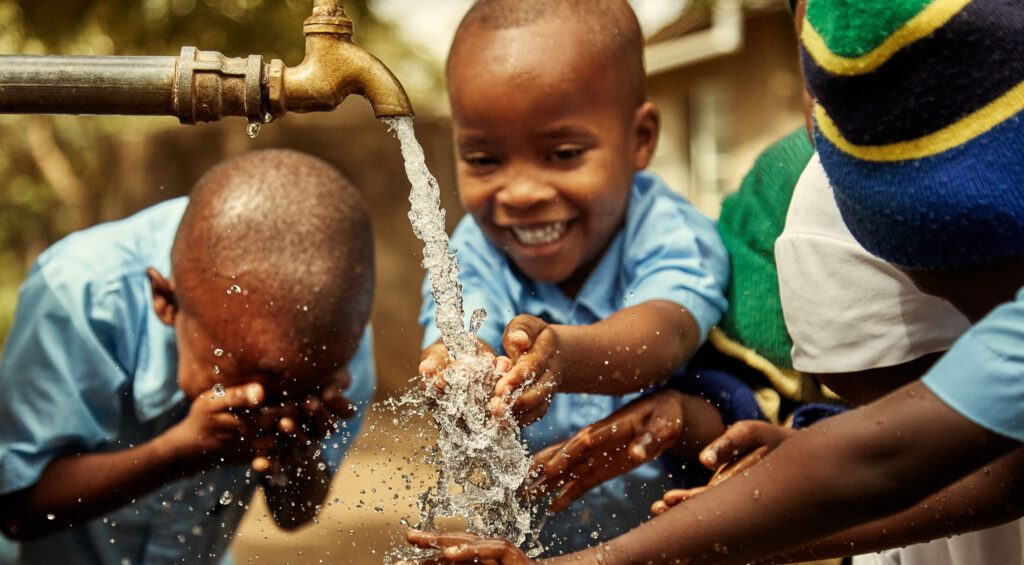
One of the key changes was the construction of composting toilets at household level, which provided a safer and more sustainable sanitation option. Families were supported with knowledge and simple techniques to build and maintain these facilities using locally available materials. At the same time, efforts were made to rehabilitate water points and promote safe water handling practices. Hygiene education played a central role, with strong emphasis on handwashing at critical times such as before eating and after using the toilet. Over time, these combined efforts began to transform the living conditions within the community.
The impact of this WASH intervention became increasingly visible as more households adopted improved practices. Cases of diarrhoeal diseases began to decline, and families reported fewer health-related challenges. Children who previously missed school due to illness were able to attend more consistently, contributing to better learning outcomes. Homes became cleaner, and there was a growing sense of pride among community members who were actively improving their environment. These changes demonstrated how simple, practical solutions may lead to significant improvements in quality of life.
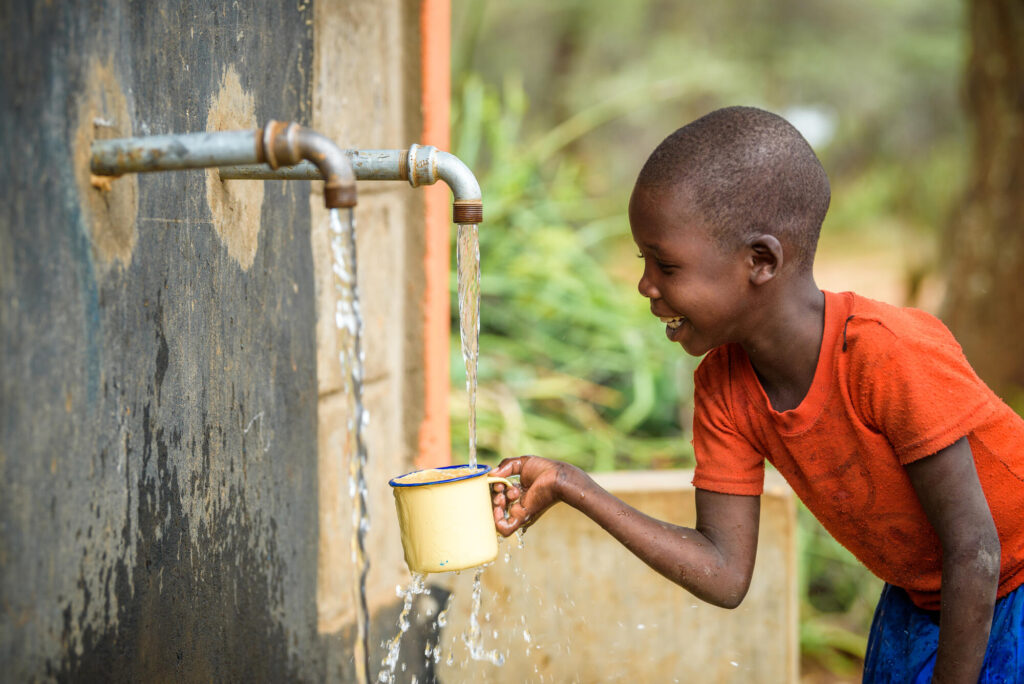
A closer look at one household illustrates this transformation. A grandmother caring for her grandchildren had long depended on a nearby stream for water and lacked a proper sanitation facility. After participating in the WASH initiative, she constructed a composting toilet and began practicing regular handwashing. Her household experienced fewer illnesses, and she became a strong advocate for hygiene within her village. By sharing her experience and encouraging others to adopt similar practices, she contributed to a wider culture of change within the community.
Despite these achievements, the journey was not without challenges. Some households were initially resistant to change due to cultural beliefs and limited resources. However, continued engagement, peer learning, and visible results helped to overcome these barriers. As more families began to see the benefits, adoption increased, reinforcing the importance of patience and consistency in driving behavior change. The involvement of local leaders also played a critical role in encouraging accountability and collective action.
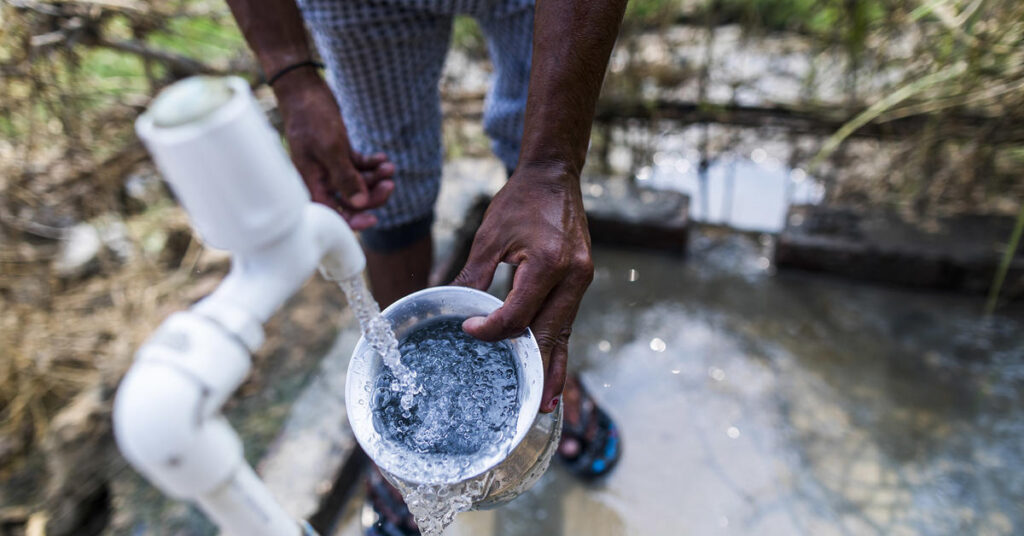
This WASH success story in Malawi highlights the importance of community ownership in achieving sustainable development outcomes. By focusing on practical solutions, local leadership, and continuous education, the initiative created lasting improvements in both health and living conditions. It also demonstrated that even in resource-constrained settings, communities may transform their realities when they are empowered with the right knowledge and support.
Looking ahead, there is an opportunity to build on these gains by expanding access to safe water sources and ensuring that every household has improved sanitation. Strengthening community structures and maintaining ongoing hygiene education will be essential in sustaining progress. The experience in Madisi serves as a powerful example of how Water, Sanitation, and Hygiene interventions may deliver meaningful impact when they are rooted in community participation and practical action.
As Malawi continues to address challenges in the WASH sector, stories like this provide valuable lessons and inspiration. They show that improving access to clean water and sanitation is not only about infrastructure, but also about changing mindsets and empowering people. With continued effort and collaboration, more communities may experience the same transformation, leading to healthier, more dignified lives for all.