


Richard Chirwa ( Youth Coordinator) taking some notes during the training
From 22nd to 24th, youth from semi-urban areas of Lilongwe participated in an intensive leadership training camp organized by Wise Intentional Leadership Development (WILD), with financial support from WILD USA. The camp aimed at intentionally cultivating leadership skills among young people.
The youth represent Malawi’s greatest demographic dividends. If this potential is not intentionally nurtured, it risks becoming a liability rather than an asset. Leadership does not happen by chance, it must be cultivated early, consistently, and purposefully.
During the training, I facilitated one of the key sessions focused on the goals of a leader, with particular emphasis on distinguishing between worthy and unworthy goals. The discussion highlighted three common unworthy goals that often derail effective leadership:
- Chasing Numbers Instead of Impact
In the digital era, leaders are often tempted to pursue numbers.Thus, views, likes, followers, engagement, and streams at the expense of meaningful impact. While metrics have value, leadership that is obsessed with trends rather than purpose risks losing its soul. True leadership prioritizes the responsible use of talents, knowledge, and skills to create lasting impact on humanity, not temporary online visibility.
- Perfectionism Masquerading as Excellence
Many leaders fall into the trap of perfectionism, driven by pride and the desire to appear flawless. This is often confused with excellence. However, excellence allows room for growth, learning, and failure. Effective leaders create environments where people can fail forward, leverage their strengths, and fully realize their gifts and potential. Leadership is not about looking good; it is about bringing out the best in others.
- The “Bigger Is Better” Mentality
Society often equates size with success, but bigger is not always better. Even Jesus Christ, while teaching true discipleship, lost followers because His message challenged mediocrity. Today, large crowds and high numbers often receive more attention, yet they do not always reflect depth, quality, or genuine transformation. Leaders must resist blindly joining the bandwagon and instead focus on substance over scale.
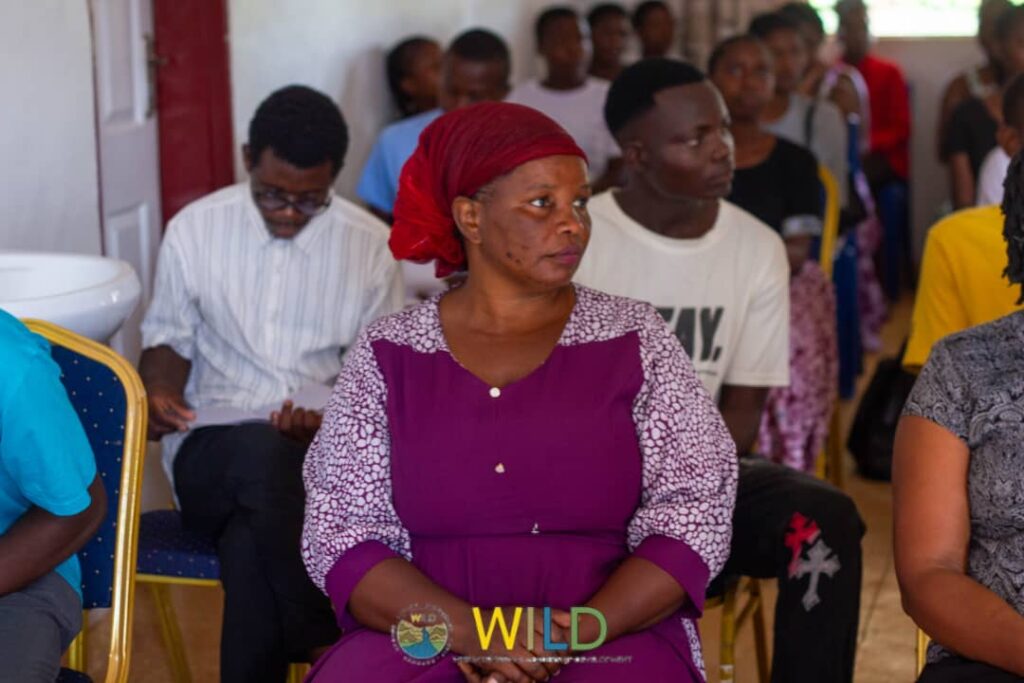
Class in session: the youth being drilled in leadership