

In many patriarchal societies, women’s voices are silenced as women are expected to listen, comply, and endure. When women speak up—especially about injustice, pain, or dignity—they are often dismissed as disobedient or deviant. This silence becomes even heavier for women raising children with disabilities.
But silence is no longer an option.
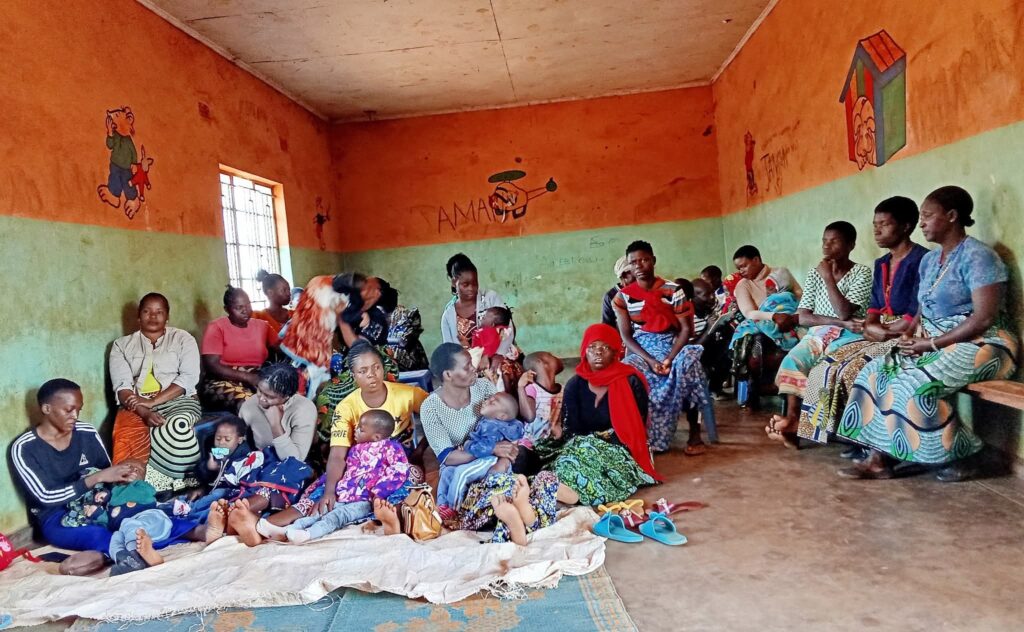
In Chinsapo, Malawi, women are beginning to raise their voices through the NeuroCare Project under Citizen Impact Foundation. Their voices are challenging stigma, confronting harmful cultural beliefs, and demanding dignity—for themselves and for their children.
During a routine field visit to the emerging NeuroCare Centre in Likuni, our team was documenting a feeding programme for children with neurodevelopmental conditions. Among the mothers was Naomi (not her real name), carefully feeding her baby who lives with cerebral palsy. Like many mothers at the centre, Naomi carried herself with quiet strength—yet behind that strength was deep pain.
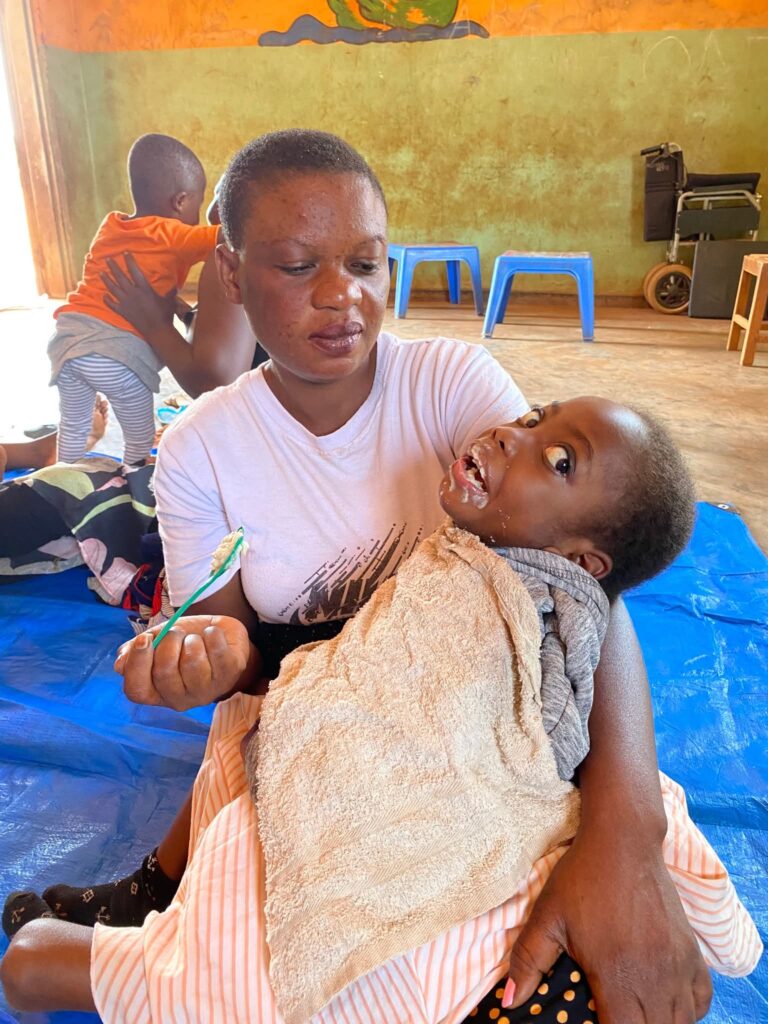
Naomi found courage to speak
shaken by the cruelty she faces in her community. A man in her neighbourhood repeatedly mocks her, blaming her child’s disability on sin and curses. He speaks as though disability is a moral failure rather than a medical condition. Naomi’s question was not one of anger—it was one of survival:
“My child has a disability, but she is still human. How do I live with this pain?”
Naomi’s story is not isolated. Across communities, mothers of children with cerebral palsy and other neurodevelopmental challenges face stigma, rejection, and abandonment—often from their own partners. They endure sleepless nights, emotional exhaustion, and social isolation. Many are blamed for conditions they did not cause. Their pain is normalized. Their voices ignored.
This is not just a social issue—it is a human rights issue.
Stigma surrounding disability thrives where ignorance, patriarchy, and silence intersect. Women bear the emotional burden while society absolves itself of responsibility. When communities fail to protect these mothers, they fail their children too.
NeuroCare exists to disrupt this cycle.
At NeuroCare, psychosocial support is not limited to individual therapy sessions. It is community-based. It is collective healing. It is a safe space where mothers are heard, believed, and supported. Here, disability is not treated as a curse but understood as a call for compassion, inclusion, and care.
When women are given space to speak, they do more than heal—they advocate. They challenge harmful narratives. They educate communities. They reclaim their dignity.
Advocacy must begin by listening to women like Naomi.
We must confront stigma at community level, strengthen psychosocial support for caregivers, and promote disability awareness grounded in science and humanity—not superstition. Most importantly, we must amplify the voices of women who have been silenced for too long. NeuroCare center is a movement, a life line , a declaration that no mother should suffer alone, and no child should ever be made to feel less human.