

By Wyson Mtambo
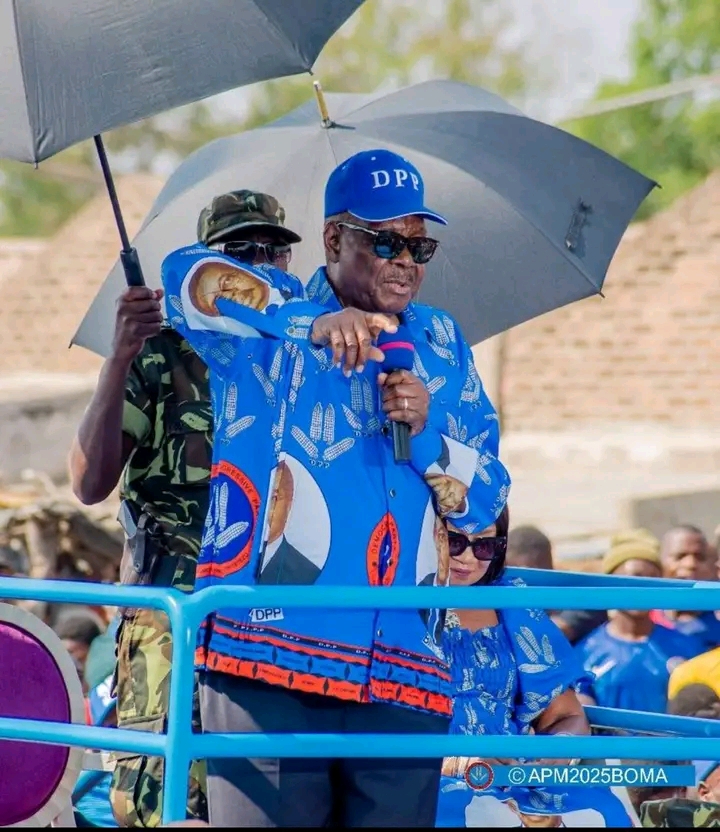
President Professor Arthur Peter Mutharika announced the introduction of free secondary education during a political rally at Songani in Zomba, a pledge that quickly captured national attention.
“When we get into government on September 16, secondary education is going to be free,” Mutharika told supporters, framing the policy as a decisive step toward educational inclusion.
The subsequent introduction of Free Secondary Education (FSE) in Malawi was widely celebrated as a landmark intervention aimed at expanding access and promoting social equity. By removing tuition fees, the policy sought to open secondary schooling to thousands of learners previously excluded by poverty. Yet as implementation unfolds, growing concerns suggest that the political promise of “free education” may be obscuring deeper and unresolved structural weaknesses within the education system.
Across Malawi, schools are struggling with longstanding challenges that fee removal alone cannot solve. In both rural and urban areas, overcrowded classrooms have become the norm, with some learners attending lessons under trees or in makeshift shelters. Infrastructure deficits remain acute, particularly in community day secondary schools, where inadequate classrooms, sanitation facilities and hostels continue to compromise learning conditions.
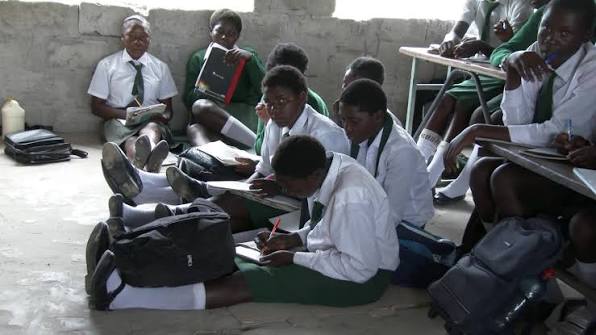
Equally troubling is the severe shortage of qualified teachers. High student teacher ratios have stretched educators beyond reasonable limits, reducing the quality of instruction and limiting meaningful learner engagement. In some schools, one teacher is responsible for more than 300 learners against the standard 1:50 ratio, a situation that makes effective assessment, feedback, and individual support nearly impossible.
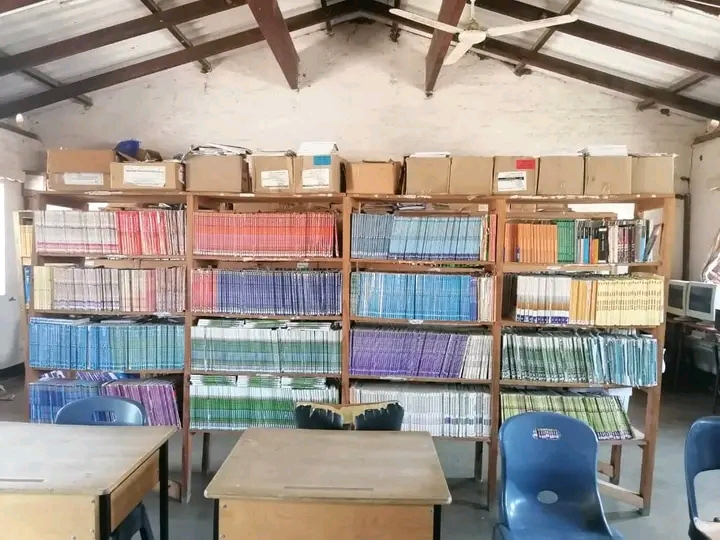
Teaching and learning materials also remain insufficient. Many schools lack basic textbooks, laboratory equipment, and ICT resources. Research from developing countries consistently shows that learning environments with inadequate instructional materials significantly affect learner outcomes, particularly in science and mathematics. Without addressing these gaps, free education risks becoming symbolic rather than transformative.
Globally, evidence suggests that access focused reforms must be accompanied by sustained investment in quality. Countries that have successfully expanded free education such as Rwanda and Vietnam paired fee abolition with aggressive infrastructure development, teacher recruitment, and curriculum support. Malawi’s experience suggests that this balance is still missing.
Critics argue that political leaders often favour highly visible policies such as fee removal because they yield immediate political capital, while deeper reforms demand time, resources and difficult policy trade offs. As a result, learners may gain entry into schools only to encounter substandard education that limits their future prospects.
As Malawi moves forward, the national debate is no longer about whether secondary education should be free, but whether it should be meaningful. Without urgent and sustained investment in infrastructure, staffing and learning resources, free secondary education risks becoming an empty promise accessible in name, but inadequate in practice.