

By Ndondwa Kwenda
Adolescent mental health is increasingly recognized as a critical global issue, yet in many low-income countries such as Malawi, it remains under-addressed. As the nation’s youth population continues to grow, so does the urgency of understanding and supporting their mental wellbeing. Beneath the surface of economic and public health challenges lies a quieter crisis—one that affects the emotional and psychological development of an entire generation.
Mental health challenges among adolescents in Malawi are more common than often assumed. Estimates suggest that 1 in 4 young people experience a mental health problem each year, highlighting the widespread nature of the issue. Among specific vulnerable groups, the situation can be even more severe. For example, adolescents living with HIV in Malawi show significantly higher rates of mental health disorders, with nearly 19% experiencing depression. Despite these numbers, mental health remains underreported and underdiagnosed, largely due to stigma and limited awareness.
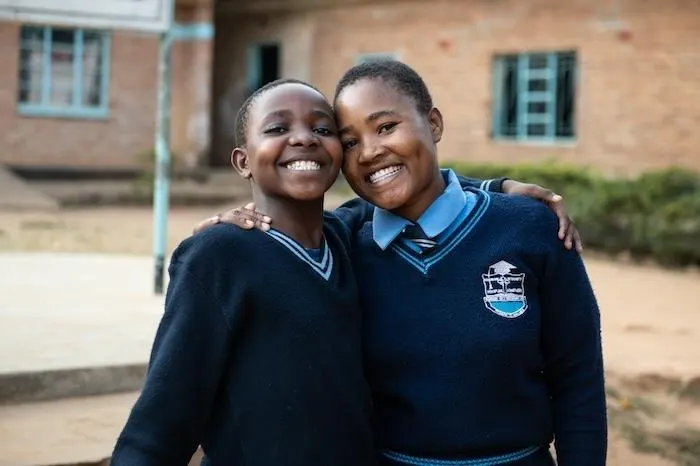
Several interconnected factors contribute to adolescent mental health challenges in Malawi:
1. Poverty and Economic Stress: Many families in Malawi face persistent economic hardship. Adolescents often experience stress related to school fees, food insecurity, and uncertain futures. These pressures can lead to anxiety, depression, and feelings of hopelessness.
2. Stigma and Cultural Beliefs: Mental health issues are often misunderstood or stigmatized. In some communities, psychological struggles may be attributed to spiritual or moral causes rather than recognized as medical conditions. This discourages young people from seeking help.
3. Health System Limitations: Malawi’s healthcare system is under-resourced, and mental health services are particularly limited. Experts warn that the country’s system is overstretched and lacking specialized care, leaving many adolescents without access to support.
4. Social Pressures and Life Transitions: Adolescence is already a period of major change. In Malawi, additional challenges such as early marriage, school dropout, and gender-based expectations can intensify emotional strain.
Untreated mental health issues can have long-term consequences. Adolescents struggling with anxiety or depression may experience poor academic performance, social withdrawal, increased risk of substance abuse, and a higher likelihood of self-harm or suicide. Recent reports indicate a troubling rise in suicide cases linked to mental health challenges in Malawi, emphasizing the seriousness of the crisis. Beyond individual outcomes, the broader social impact is significant. A generation facing widespread mental health challenges can affect national development, workforce productivity, and community wellbeing.
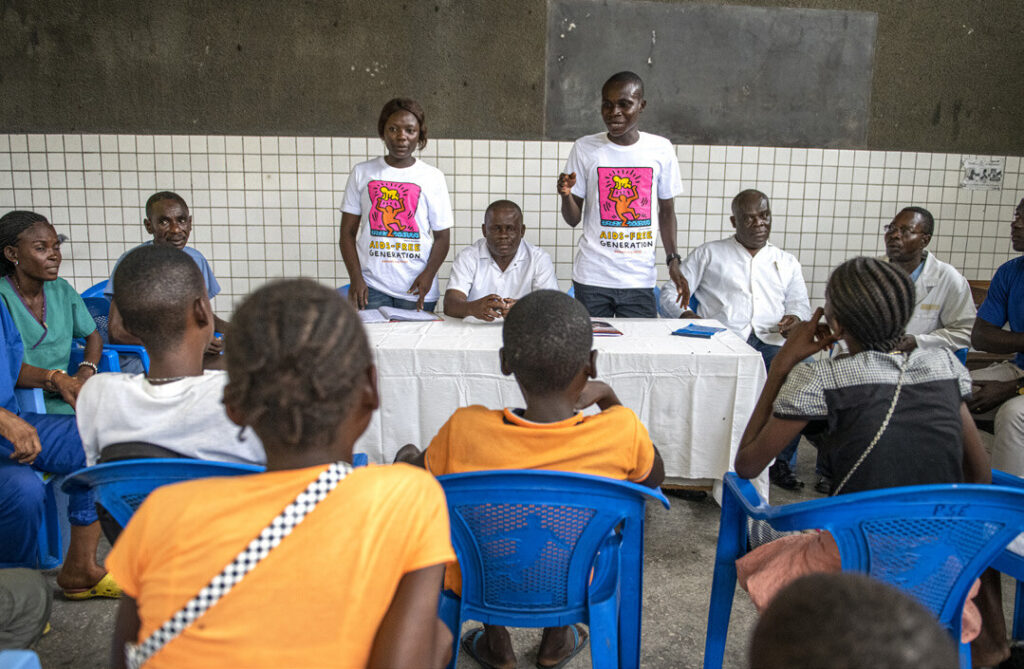
Despite these challenges, there are growing efforts to improve adolescent mental health in Malawi. Organizations are working with communities, schools, and policymakers to create supportive environments for young people. Programs increasingly focus on raising awareness and reducing stigma, training teachers and community leaders, integrating mental health into primary healthcare, and promoting youth-led initiatives and peer support networks. Collaborative approaches that involve families, educators, and health professionals are proving especially promising.
While progress is being made, several key areas require urgent attention:
1. Increased Investment: More funding is needed to expand mental health services, train professionals, and improve infrastructure.
2. Education and Awareness: Public education campaigns can help normalize conversations about mental health and encourage help-seeking behavior.
3. School-Based Support: Schools are critical spaces for early intervention. Providing counseling services and mental health education can make a meaningful difference.
4. Youth Empowerment: Young people should be actively involved in designing solutions that affect them. Peer-led programs can be particularly effective in breaking down stigma.

Adolescent mental health in Malawi is a pressing issue that demands greater attention from policymakers, communities, and global stakeholders. While the challenges are significant, they are not insurmountable. By investing in awareness, services, and youth empowerment, Malawi has the opportunity to transform its approach to mental health—ensuring that young people are not only surviving but thriving. Addressing this silent crisis today will shape the nation’s future tomorrow.