

By Steven Mtambo
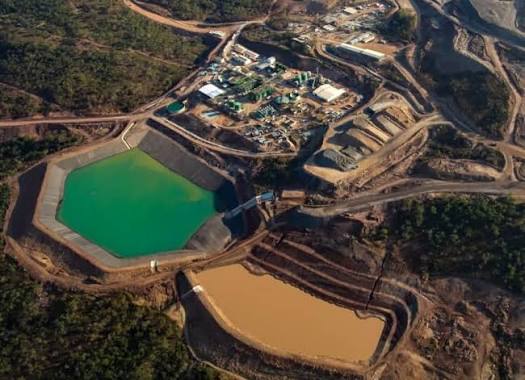
For decades, Malawi has been described as a “coughing economy”—one that struggles to breathe under the weight of low industrialization, heavy dependence on agriculture, foreign aid reliance, and chronic balance-of-payment challenges. While agriculture, particularly smallholder farming, has long been the backbone of the economy, its vulnerability to climate change, price fluctuations, and low productivity has exposed the limits of relying on a single sector. In this context, mining has increasingly been presented as a potential remedy—an economic inhaler capable of stimulating growth, diversifying exports, and strengthening fiscal capacity. Though not without risks, mining presents Malawi with a strategic opportunity to revive its economy if managed prudently, inclusively, and sustainably.
One of the most compelling arguments for mining as a remedy for Malawi’s economic malaise is its potential contribution to government revenue. Through royalties, corporate taxes, licensing fees, and dividends, mining can broaden the country’s narrow tax base. This is particularly important for a country that struggles with high public debt and limited domestic revenue mobilization. Increased fiscal space from mining revenues could enable greater public investment in infrastructure, health, education, and social protection—sectors critical for long-term development. If transparently managed, mining income could reduce Malawi’s overdependence on donor funding and enhance economic sovereignty.
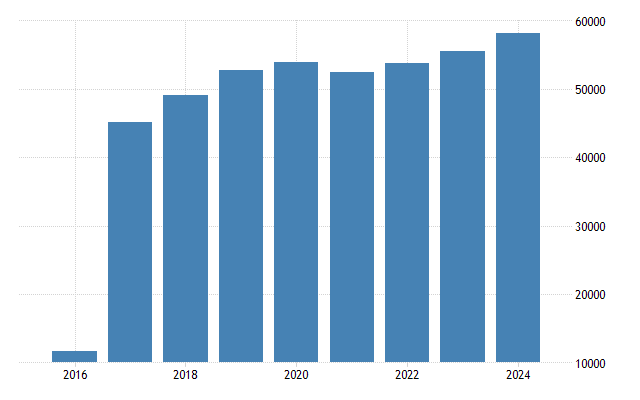
Malawi is endowed with a variety of mineral resources that remain largely underexploited. These include uranium, rare earth elements, graphite, bauxite, coal, limestone, gemstones, and heavy mineral sands. The Kayelekera Uranium Mine in Karonga, despite its controversial history, demonstrated that large-scale mining is technically feasible in Malawi and can contribute significantly to export earnings. With the global transition toward green energy and digital technologies, demand for critical minerals—such as rare earths and graphite—has surged. Malawi’s geological potential positions it to benefit from these global shifts, provided that extraction is aligned with national development priorities.
Beyond fiscal benefits, mining has the potential to stimulate economic diversification and industrial linkages. Large-scale mining operations require inputs such as transport services, construction, energy, engineering, and maintenance. This creates opportunities for local businesses and small and medium enterprises to participate in supply chains. Furthermore, downstream processing and value addition—such as mineral beneficiation—can promote industrialization, create skilled jobs, and retain more value within the country. For a nation whose exports are dominated by low-value agricultural commodities like tobacco and tea, mining offers a pathway toward a more diversified and resilient export portfolio.
Employment creation is another key dimension through which mining can alleviate Malawi’s economic challenges. Although mining is often criticized for being capital-intensive, it still generates direct and indirect employment opportunities, particularly in rural and underdeveloped areas where mines are typically located. Jobs in mining can offer higher wages than subsistence agriculture, thereby improving household incomes and local livelihoods. Additionally, investments in skills development and technology transfer associated with mining can enhance human capital, with spillover benefits to other sectors of the economy.
However, the promise of mining as an economic remedy is not automatic. Malawi’s experience, like that of many resource-rich developing countries, underscores the dangers of the “resource curse.” Poor governance, weak regulatory frameworks, corruption, and lack of transparency can turn mineral wealth into a source of conflict, environmental degradation, and inequality. Communities around mining areas often bear the environmental and social costs—land displacement, water pollution, and health risks—while receiving limited benefits. Without deliberate policies to ensure community participation, fair compensation, and environmental protection, mining could worsen, rather than heal, Malawi’s economic cough.
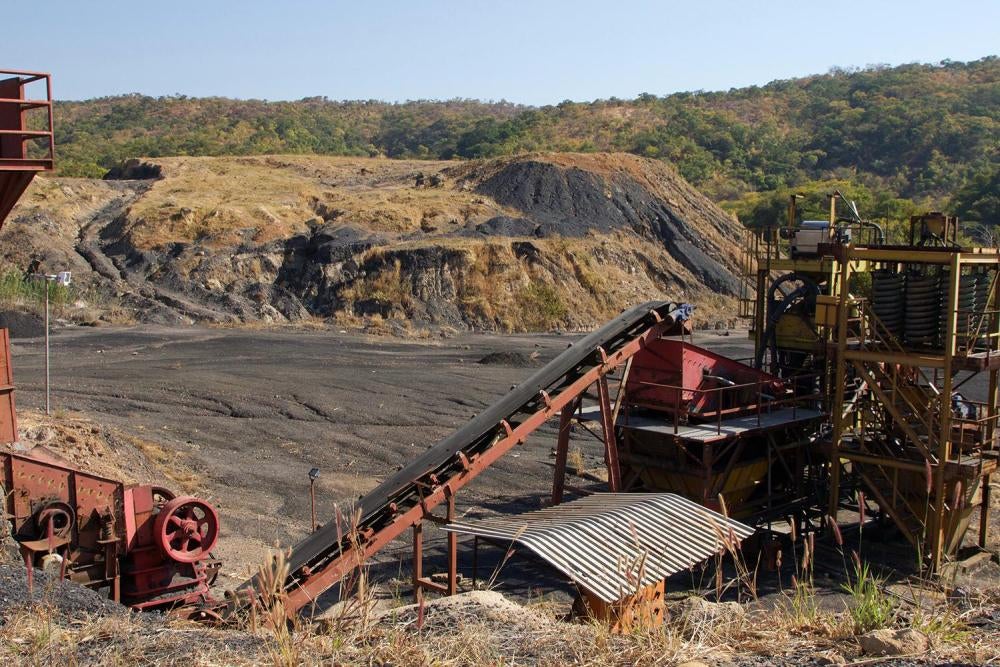
Environmental sustainability is particularly critical. Malawi is an environmentally fragile country, heavily dependent on natural resources for livelihoods. Unregulated mining could undermine agriculture, fisheries, and water security—ironically damaging the very sectors that sustain the majority of Malawians. Therefore, strong environmental impact assessments, enforcement of regulations, and rehabilitation of mined areas must be integral to any mining-led development strategy. Sustainable mining is not a luxury but a necessity if economic gains are to be long-lasting.
In conclusion, mining is not a silver bullet for Malawi’s economic challenges, but it is a potentially powerful remedy for a coughing economy in need of diversification and revitalization. If strategically developed, mining can boost revenue, create jobs, stimulate industrial growth, and reduce dependence on aid and climate-sensitive agriculture. However, the success of mining as an economic remedy depends less on what lies beneath Malawi’s soil and more on how those resources are governed above ground. With transparent institutions, environmental stewardship, and inclusive development policies, mining can help Malawi breathe more easily on its path toward sustainable economic transformation.
Equally important is governance and institutional capacity. For mining to serve as a genuine remedy, Malawi must strengthen legal and policy frameworks that govern resource extraction. This includes transparent contract negotiations, public disclosure of mining revenues, and alignment with initiatives such as the Extractive Industries Transparency Initiative (EITI). Effective institutions can ensure that mineral wealth is converted into public goods rather than private fortunes. Political will, civic oversight, and an informed citizenry are essential to holding both government and investors accountable.