


By Francis Puleni
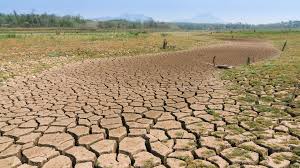
In the last 36 years, Malawi has experienced 8 major droughts affecting 24 million of its citizens. Currently the Malawi is experiencing the after effects of 2 consecutive disasters, devastating floods of 2014-2015 and dry spells between 2015-2016 leading to agriculture draught.
Irrigation farming in Malawi is a game changer, especially with the country’s over reliance on rain fed agriculture. Malawi has approximately 400,000 hectares of potentially irrigable land but only around 78,000 hectares are
Currently being utilized with smallholders irrigating about 30,000 hectares. The government aims to increase this area with plans to allocate 200,000 hectares for irrigation purposes and develop around 48,000 hectares of irrigable land.
Some notable irrigation schemes in Malawi include;
- The shire valley irrigation project. One of the largest irrigation projects in Malawi, aiming to benefit 100,000 smallholder farmers. This project is in the districts of chikwawa and nsanje and is still under construction.
- The Bwanje valley irrigation which supports rice and maize production. The Bwanje valley irrigation scheme covers approximately 3,740 hectares. Its located in mzimba district and primarily focuses on rice and maize production in the process benefiting local smallholder farmers.
- Domwe Irrigation scheme is located in machinga district. It is a bit smaller covering around 320 hectares and focuses on rice production benefiting local farmers.
- Likhubula Tea Estate irrigation scheme is in mulanje district. It is a bit unique since its focused on tea production covering around 100 hectares. The scheme supports local tea farmers enhancing productivity and quality.
In Malawi, irrigation farming can be a game changer as we can grow crops 3 times in a year compared to the status quo where we only grow once in a year.
Mitigate Drought Impact – Reduces reliance on rain fed agriculture
Boost crop yields – Increase maize, rice and other staple crop production
Improve food security – Enhance local food availability especially in dry seasons
Support livelihoods – create jobs and income opportunities for smallholder farmers.
Diversify agriculture – Encourage production of high value crops like vegetables and fruits.
Malawi’s irrigation potential is huge but challenges like funding, infrastructure and management need addressing
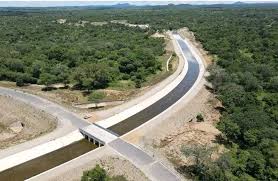
Here are some of the types of irrigation in Malawi
- Surface Irrigation involves applying water over the land’s surface allowing it to infiltrate the soil. Common types include;
- Flood Irrigation: Water covers the entire field
- Furrow Irrigation: Water flows through channels between crop rows
- Basin irrigation: water collects in small depressions around plants.
This type of irrigation is commonly used due to its simplicity and low cost. However, it can be water intensive and prone to evaporation.
- Drip irrigation is like a slow drink for plants. Water drips directly to the roots reducing waste and evaporation. Its efficient especially for water scarce areas. In Malawi, drip irrigation is gaining popularity for high value crops like vegetables and fruits.
- Sprinter irrigation is like artificial rain water’s sprayed over crops through pipes and sprinklers. It is versatile, suits various crops and terrains and can be automated. In Malawi, its used for crops like maize and tobacco.
- Subsurface irrigation delivers water directly to plant roots underground. It’s supper efficient reducing evaporation and runoff. In Malawi, it’s less common but useful for water conservation in dry areas.
- Gravity-fed irrigation is like letting water flow naturally. It uses slopes and gravity to distribute water. No pumps are needed. In Malawi, it is a low cost option for smallholder farmers especially in hilly areas.
- Pumped Irrigation uses pumps to lift water from wells, rivers or lakes to fields. In Malawi, it is common for accessing groundwater to higher fields. Can be energy intensive but effective for reliable water supply.
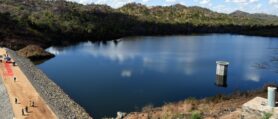
Malawi has several big rivers that can support big irrigation schemes and amongst are;
- Shire river is a lifeline for Malawi, it is the longest river in the country and covers a distance of 402km from lake Malawi to the zambezi river in Mozambique. The river is supporting large scale sugarcane irrigation farming by Illovo at Nchalo in Chikwawa district. The Shire valley irrigation project in Chikwawa and Nsanje is also being supported by the shire river. Currently the Shire river is heavily supporting hydro electricity at Nkula, tedzani and kapichira hydro power station.
- Ruo river is a tributary of the shire river. It runs all year round and is used for small scale farming and irrigation schemes. The river is under utilized when it comes to irrigation.
- Songwe river forms part of Malawi’s border with Tanzania. This river supports rice irrigation in Karonga district.
- Dwangwa river is a vital source of water in the central region. It flows into lake Malawi. Illovo sugar company has another irrigation scheme at Dwangwa which uses the water for irrigation from the dwangwa river.
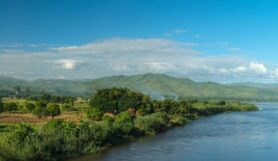
Malawi has a potential to grow economically and end hunger only if we can heavily invest in irrigation.